Measurable Elegance: Elevating Luxury Interiors Sustainably

Today we dive into measuring sustainability in luxury interiors—covering metrics, certifications, and life‑cycle assessment—so you can pair exquisite comfort with verifiable performance. Expect clear methods, honest trade‑offs, and examples that translate complex data into confident design choices. We will connect material science with craftsmanship, spotlight credible labels, unpack life‑cycle results, and show how numbers protect beauty over time. Share your experiences, ask questions, and subscribe to keep receiving data‑driven insights that make refined spaces healthier, more resilient, and unmistakably responsible.

Defining What Truly Sustainable Luxury Looks Like

Luxury is no longer only about rare finishes and flawless detailing; it is also about longevity, health, traceability, and meaningful stewardship. We examine how to articulate intentions as measurable outcomes, translating client aspirations into specifications that reflect real environmental and human impacts. You will see how durability, reparability, and provenance become expressions of refined taste, while transparency transforms decision‑making. By aligning values with evidence, beauty gains depth and a quieter confidence, because the most indulgent spaces are those that uplift occupants and the world that surrounds them.

From Desire to Data: Aligning Vision with Evidence

Begin with a clear narrative that expresses comfort, craft, and character, then anchor it in measurable goals. Convert poetic words into quantifiable targets: embodied carbon limits, indoor air quality thresholds, recycled content minimums, and water‑use caps. This connection between intention and metrics builds trust among clients, designers, and makers. It also simplifies choices by focusing on what matters, avoiding greenwashed distractions. When the vision reads like a story and behaves like a contract with the planet, luxury becomes integrity expressed through detail and care.

Craftsmanship That Lasts: Durability as the Ultimate Luxury

A well‑made piece that ages gracefully outperforms quick replacements every time. Durability reduces emissions by stretching replacement cycles and stabilizing maintenance needs. Specify abrasion ratings, colorfastness, repairability pathways, and robust warranties that encourage stewardship. Artisan techniques like proper joinery or well‑finished edges can save resources over decades. Clients appreciate knowing why a solid brass fitting or easily reupholstered frame costs more yet costs the planet less. In this way, time becomes an ally, patina becomes a story, and excellence becomes conservation in slow motion.

Beauty Without Burden: Balancing Materials, Health, and Impact

Choose materials that delight the senses without compromising indoor air quality, comfort, or ethics. Screen for low‑emitting adhesives, finishes free of persistent chemicals, responsibly sourced fibers, and documented supply chains. Consider acoustic comfort, tactile richness, and light reflectance alongside transparency documents like EPDs and HPDs. The goal is an ecosystem of choices that support well‑being while shrinking footprints. When a marble slab, timber panel, or woven textile tells a clear story about origin, chemistry, and afterlife, elegance feels lighter, kinder, and ultimately more meaningful.

Core Metrics That Matter

Numbers turn intentions into action. We highlight practical indicators designers can specify and track: embodied carbon (kg CO2e), global warming potential from EPDs, recycled and bio‑based content percentages, VOC emissions, water intensity, maintenance frequency, and circularity scores. Add indoor air quality readings for TVOCs and formaldehyde post‑installation to validate performance. Consider transport distances, packaging waste, and take‑back provisions as measurable criteria. By choosing a succinct dashboard tailored to the project, teams make fast, confident decisions and communicate progress convincingly to clients who appreciate clarity and accountability.

Certifications That Bring Confidence

{{SECTION_SUBTITLE}}

Project-Level Frameworks: LEED, WELL, and BREEAM in Practice

Use LEED ID+C to structure material credits, IAQ management, and construction pollution prevention. WELL sharpens focus on health: air, water, light, movement, and mind, turning scientific guidance into daily comfort. BREEAM’s breadth suits complex portfolios and European contexts. Map credits to your specific intentions, identifying synergies across documentation. Create a scorecard that highlights easy wins, potential innovation points, and non‑negotiables. Communicate how each measure supports design intent, from daylight mood to acoustic privacy. Clients appreciate progress maps as much as polished reveals.

Material Labels: C2C, FSC, PEFC, Greenguard, and Their Limits

Cradle to Cradle encourages circular chemistry and material health, while FSC and PEFC confirm responsible forestry. GREENGUARD Gold addresses emissions for healthier air. Yet no single seal tells the whole story. Check scope, version, and test methods, then combine labels with transparency documents for nuance. Evaluate how certifications align with supply chain realities, lead times, and aesthetic goals. Balance rigor with feasibility, avoiding decision paralysis. The best strategy uses labels as trusted filters, then verifies fit and performance through samples, mock‑ups, and clearly defined acceptance criteria.

System Boundaries and Stages: From Quarry to Quiet Evenings

Understand A1–A3 product stage impacts, A4 transport, A5 installation, B‑stage use and maintenance, and C‑stage end‑of‑life, plus D for benefits beyond the system. Selecting heavier stone from farther away might look worse at A4, yet prove durable in B stages. Conversely, lightweight composites may simplify logistics but require earlier replacement. Align comparisons by function and lifespan. Translate outcomes into plain language for clients: fewer trucks, gentler cleaning, simpler refurbishment. Suddenly, a favorite material becomes a measured companion, not a blind indulgence.

Reading an EPD: Numbers, Assumptions, and Relevance

An EPD is only as useful as your understanding of its context. Confirm declared unit, compare like‑for‑like products, and watch for allocation rules that shift impacts among co‑products. Look for electricity mix, recycled content, and manufacturing location. Note any cut‑off criteria that exclude minor ingredients with major effects. Use PCR references to judge comparability. When you map these details to specification choices and installation methods, EPDs become decision engines rather than marketing PDFs. Clarity here avoids costly missteps and keeps elegance aligned with ethics.

Materials Under the Microscope

Every surface tells a story. We compare stone, engineered composites, timber, textiles, metals, and finishes with equal attention to allure and evidence. Consider quarry methods, recycled content, binders, coatings, and treatments. Examine PFAS in performance fabrics, halogenated flame retardants where not code‑required, and formaldehyde in resins. Evaluate transport distances for dense materials and end‑of‑life pathways for complex laminates. Choose veneers over solid sections where appropriate, or specify reclaimed sources that carry provenance. When chemistry, craft, and carbon align, the result feels effortless and deeply humane.

Energy, Lighting, and Smart Operations

Operational excellence sustains beauty day after day. Calibrate lighting for comfort and efficiency using high‑quality LEDs, robust drivers, and thoughtful controls. Balance daylight with glare management and thermal comfort. Choose appliances and AV systems with low standby power. Commission systems, train staff, and monitor real‑world use to verify performance. When occupancy sensors, dimming scenes, and shading automation respond gracefully, energy savings arrive without fuss. The result is richer ambience, gentler bills, and quiet technology that protects craft while supporting calm, healthy living.

01

Lighting That Loves People and the Planet

Specify luminaires with high color quality indices and flicker‑safe drivers to protect visual comfort. Use layered lighting for mood and task, then tie scenes to circadian rhythms where appropriate. Downsize wattage through optical efficiency and reflective surfaces, not harsher glare. Integrate daylight with responsive shading, minimizing cooling loads. Maintain replaceable components and accessible drivers for long service life. Proper photometrics, commissioning, and user education transform technical choices into effortless serenity, ensuring art, materials, and faces appear true while consumption remains discreetly restrained.

02

Controls, Automation, and the Art of Quiet Efficiency

Well‑tuned automation protects comfort without micromanagement. Use occupancy sensing for secondary zones, daylight harvesting near windows, and scene presets for gatherings or retreats. Keep interfaces intuitive to avoid overrides. Meter plug loads and track trends to find silent waste. Commissioning is essential; verify time schedules, sensor placement, and network resilience. When systems operate like courteous hosts—responsive, unobtrusive, reliable—energy savings accumulate. The household experiences consistent ambiance, vendors support predictable maintenance, and your design intention stays intact long after the ribbon is cut.

03

Appliances, AV, and the Invisible Baseline of Use

High‑performance kitchens and entertainment suites can hide significant standby losses. Select equipment with strong efficiency ratings, enable eco‑modes, and use smart power strips for peripheral devices. Specify ventilation that preserves indoor air quality without over‑ventilating. Consider heat‑pump technologies for water heating or supplemental comfort. Provide simple guidance to residents and staff so sustainable operation becomes effortless habit. These quiet choices safeguard monthly costs, reduce emissions, and keep acoustics calm—allowing conversations, music, and materials to shine instead of humming machines that never truly sleep.

Procurement, Installation, and End-of-Life Planning

Specifying for Reuse: Modular Thinking and Reversible Fixings

Design with the next chapter in mind. Favor mechanical fasteners over permanent adhesives, accessible service panels, and standardized hardware. Modular rugs, tileable stone, and sectional seating localize wear and simplify refreshes. Clear documentation—shop drawings, exploded diagrams, and QR‑coded manuals—empowers maintenance teams. When change arrives, components migrate rather than landfilled. This approach protects investment, strengthens brand narratives about stewardship, and turns sustainability from abstract principle into graceful adaptability woven through every joint, bracket, and seam that quietly holds the scene together.

Logistics, Packaging, and the Last Mile Challenges

The journey to site carries measurable impacts and risks. Consolidate shipments, prioritize rail or sea where practical, and schedule off‑peak deliveries to reduce congestion. Request right‑sized recyclable packaging and reusable crates. Track damage rates and returns to refine vendors. Mandate responsible waste handling on site, with clear labeling and trained crews. Small operational choices—like blanket wraps or take‑back pallets—can prevent dumpsters full of foam and splintered wood. The result is a calmer, cleaner installation that respects neighbors, schedules, budgets, and the planet we share.

Take-Back Programs, Resale, and Responsible Decommissioning
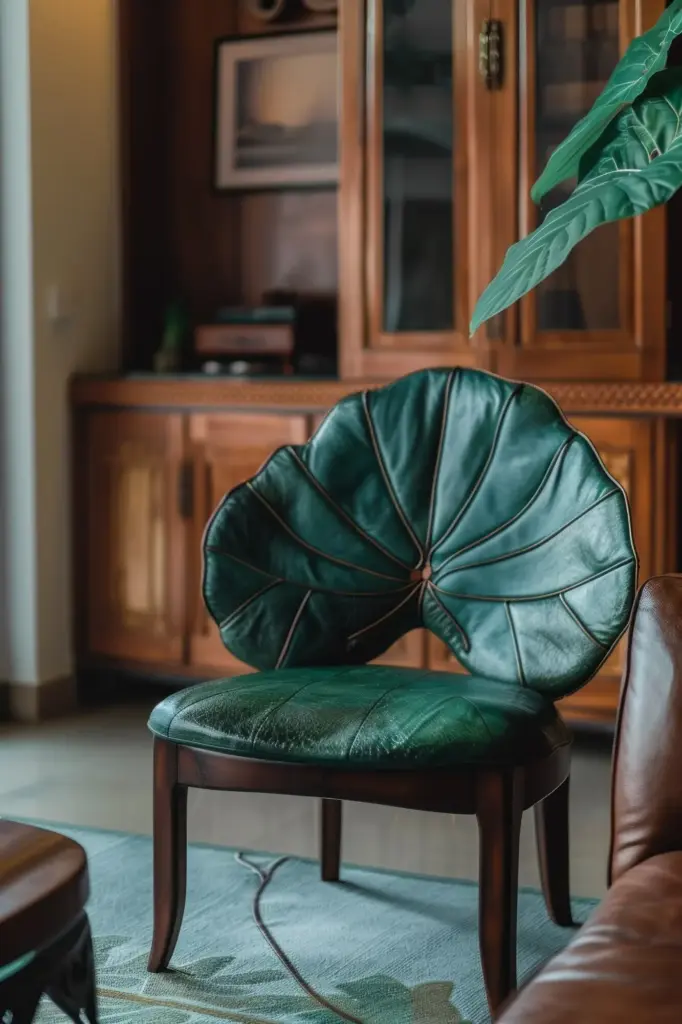
Luxury components deserve second lives. Enroll cabinetry, lighting, and furnishings in manufacturer take‑back schemes, or partner with resale platforms and local craftsmen who restore pieces to glory. Document provenance to protect value. Separate materials for recycling where feasible, and test older items for restricted substances before reuse. Communicate these pathways to clients so pride accompanies transition. When a renovation retires elements with dignity—repaired, resold, or elegantly recycled—the outgoing chapter enriches the incoming one. Stewardship becomes part of the home’s character, not an afterthought hidden in dumpsters.

From Brief to Brilliance: A Data-Led Penthouse Story

A client wanted an oasis above the city, rich with art and quiet surfaces. We set a carbon budget, required low‑emitting materials, and planned end‑of‑life pathways. Stone was locally quarried; veneers stretched rare species; rugs used undyed wool. EPDs steered countertop choices, and WELL‑aligned commissioning verified air quality. Post‑occupancy, sensors confirmed low VOC levels and gentle energy curves. The space feels effortless, yet every detail carries proof. Guests notice tranquility; the owners enjoy transparency. Numbers became an ally, whispering confidence behind every exquisite gesture.
Kovarafilikuzurato
Privacy Overview

This website uses cookies so that we can provide you with the best user experience possible. Cookie information is stored in your browser and performs functions such as recognising you when you return to our website and helping our team to understand which sections of the website you find most interesting and useful.