Measurable Elegance: Elevating Luxury Interiors Sustainably
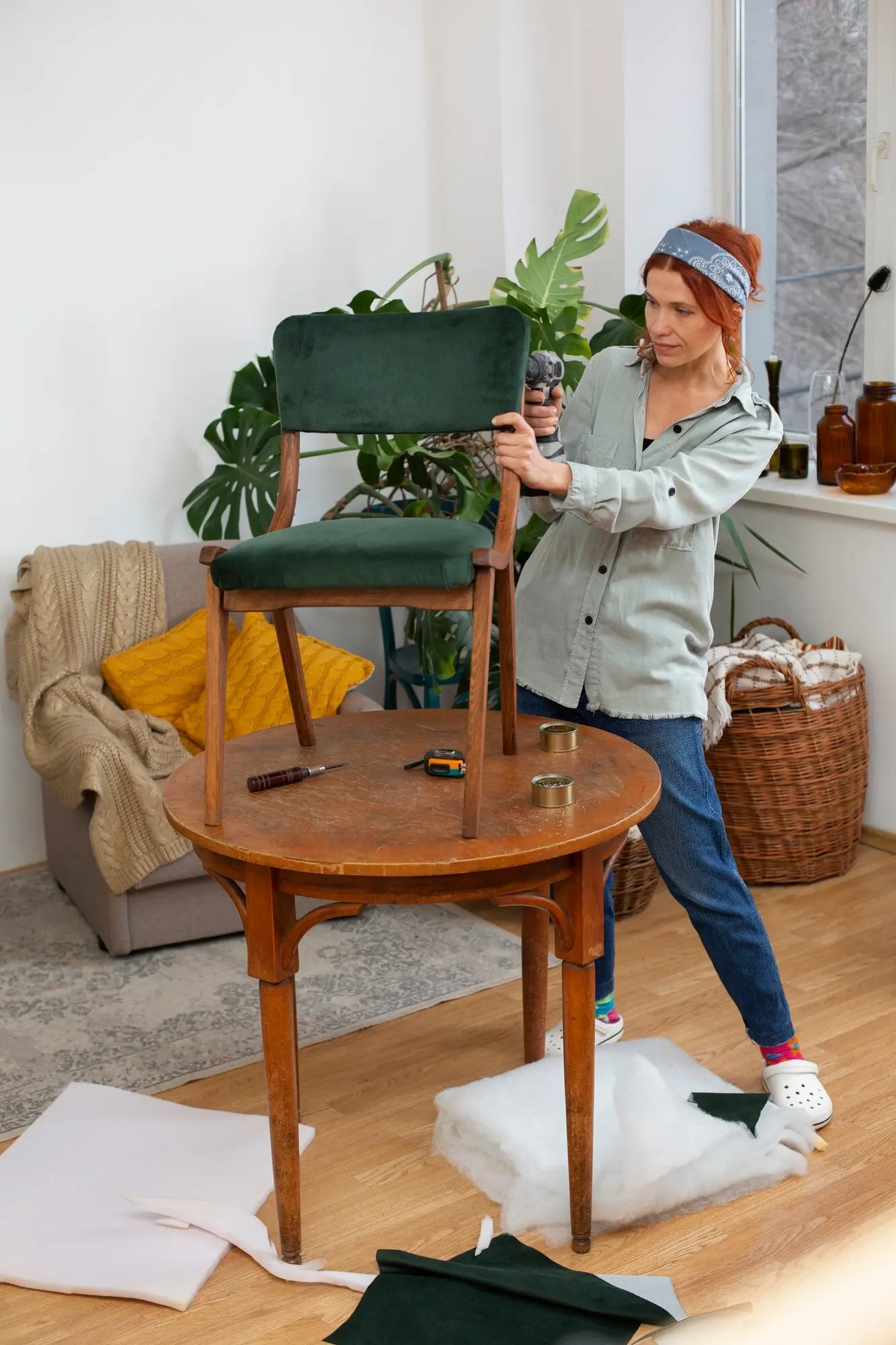
Defining What Truly Sustainable Luxury Looks Like
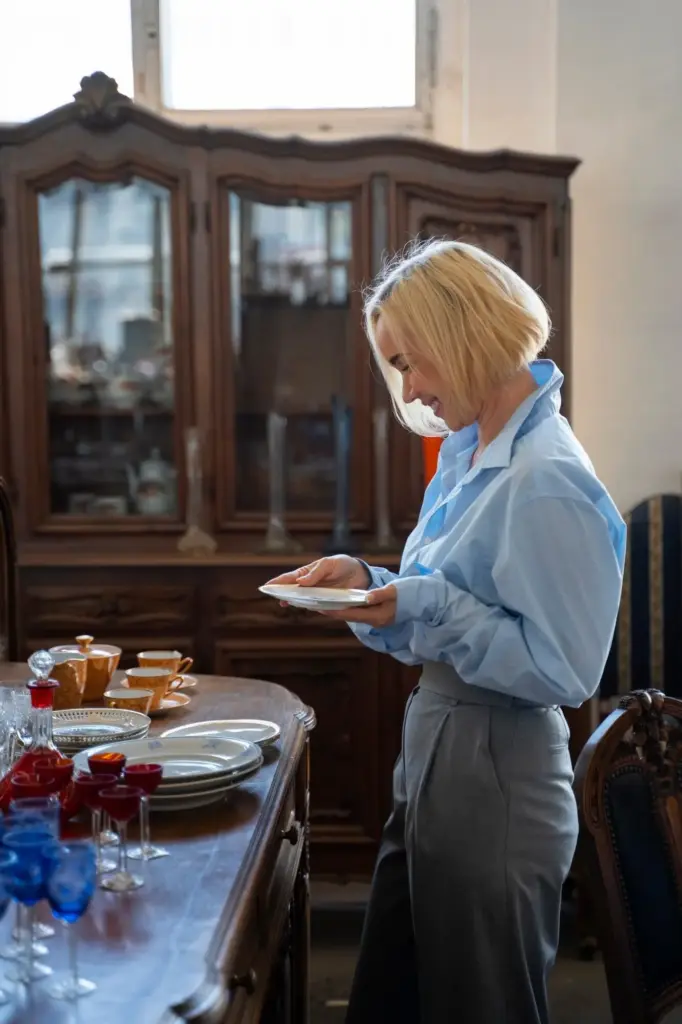
From Desire to Data: Aligning Vision with Evidence

Craftsmanship That Lasts: Durability as the Ultimate Luxury

Beauty Without Burden: Balancing Materials, Health, and Impact
Core Metrics That Matter
Certifications That Bring Confidence
{{SECTION_SUBTITLE}}

Project-Level Frameworks: LEED, WELL, and BREEAM in Practice

Material Labels: C2C, FSC, PEFC, Greenguard, and Their Limits
System Boundaries and Stages: From Quarry to Quiet Evenings
Reading an EPD: Numbers, Assumptions, and Relevance
Materials Under the Microscope

Energy, Lighting, and Smart Operations
01
Lighting That Loves People and the Planet
Specify luminaires with high color quality indices and flicker‑safe drivers to protect visual comfort. Use layered lighting for mood and task, then tie scenes to circadian rhythms where appropriate. Downsize wattage through optical efficiency and reflective surfaces, not harsher glare. Integrate daylight with responsive shading, minimizing cooling loads. Maintain replaceable components and accessible drivers for long service life. Proper photometrics, commissioning, and user education transform technical choices into effortless serenity, ensuring art, materials, and faces appear true while consumption remains discreetly restrained.
02
Controls, Automation, and the Art of Quiet Efficiency
Well‑tuned automation protects comfort without micromanagement. Use occupancy sensing for secondary zones, daylight harvesting near windows, and scene presets for gatherings or retreats. Keep interfaces intuitive to avoid overrides. Meter plug loads and track trends to find silent waste. Commissioning is essential; verify time schedules, sensor placement, and network resilience. When systems operate like courteous hosts—responsive, unobtrusive, reliable—energy savings accumulate. The household experiences consistent ambiance, vendors support predictable maintenance, and your design intention stays intact long after the ribbon is cut.
03
Appliances, AV, and the Invisible Baseline of Use
High‑performance kitchens and entertainment suites can hide significant standby losses. Select equipment with strong efficiency ratings, enable eco‑modes, and use smart power strips for peripheral devices. Specify ventilation that preserves indoor air quality without over‑ventilating. Consider heat‑pump technologies for water heating or supplemental comfort. Provide simple guidance to residents and staff so sustainable operation becomes effortless habit. These quiet choices safeguard monthly costs, reduce emissions, and keep acoustics calm—allowing conversations, music, and materials to shine instead of humming machines that never truly sleep.
Procurement, Installation, and End-of-Life Planning
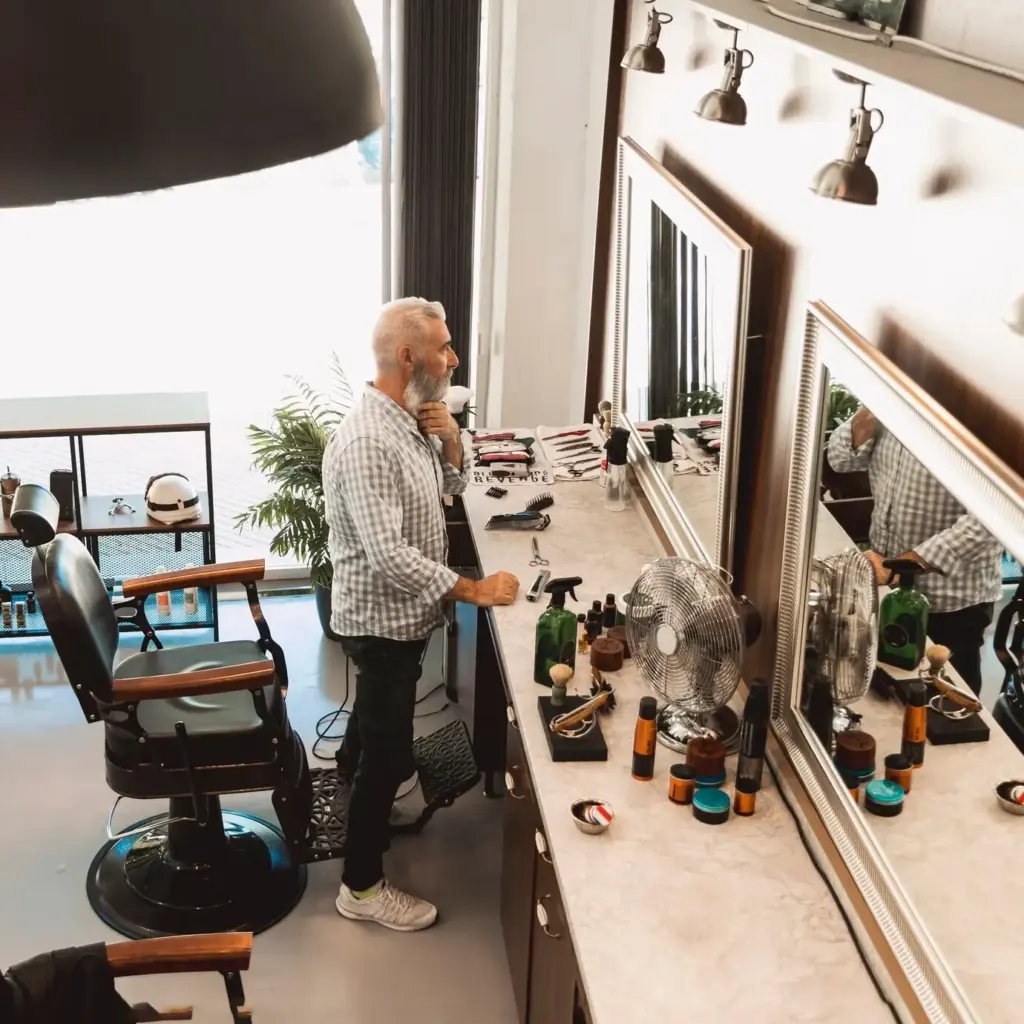
Specifying for Reuse: Modular Thinking and Reversible Fixings
Logistics, Packaging, and the Last Mile Challenges
Take-Back Programs, Resale, and Responsible Decommissioning
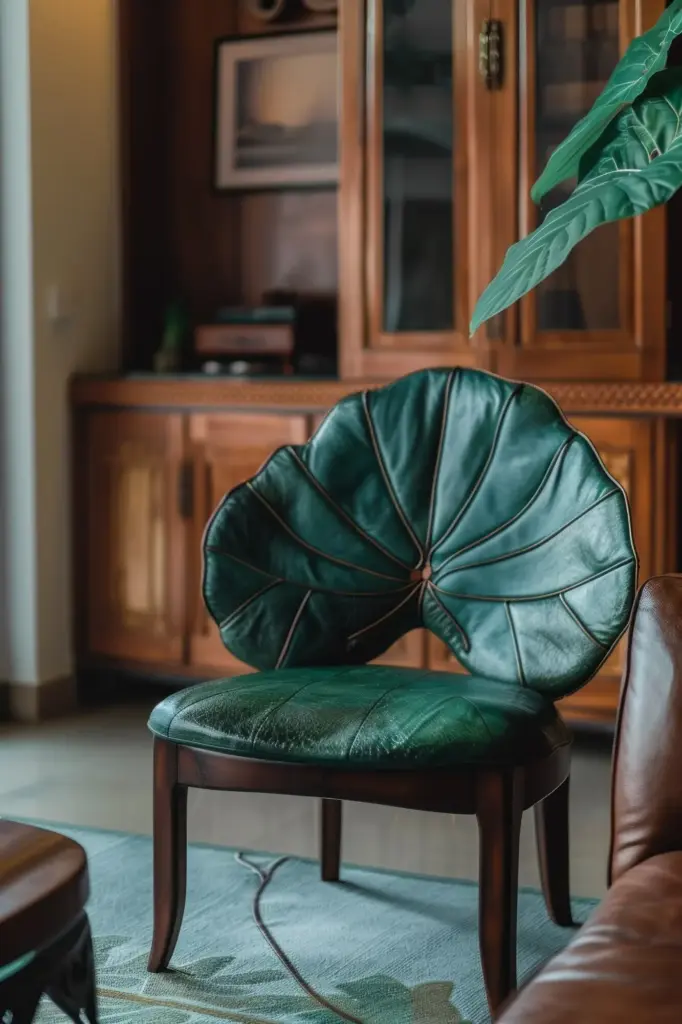
From Brief to Brilliance: A Data-Led Penthouse Story
All Rights Reserved.